Introduction
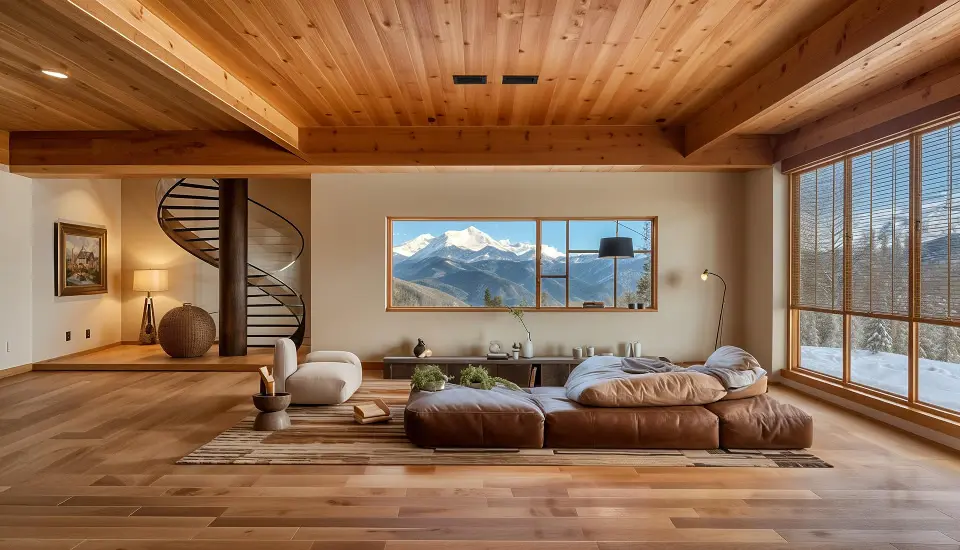
Interior design is no longer limited to mood boards and manual sketches. With the rise of artificial intelligence, AI interior design is changing how spaces are planned, visualized, and customized. AI-driven design tools allow users to create beautiful interiors with precision, speed, and personalization.
From homeowners to professionals, AI interior design solutions are revolutionizing the industry by combining technology with creativity. This article explores how AI interior design works, its benefits, applications, and future potential.
What Is AI Interior Design?
AI interior design refers to the use of artificial intelligence to plan, visualize, and optimize interior spaces. These systems analyze room layouts, lighting, furniture placement, and user preferences to generate realistic design concepts.
Instead of relying solely on human intuition, AI uses data and algorithms to create designs that are both visually appealing and functional.
How AI Interior Design Works
AI interior design tools follow a structured process:
- Input Collection
Users provide room images, dimensions, or layouts. - Style & Preference Selection
Choose design themes, colors, and functional requirements. - AI Analysis
The system evaluates spatial constraints, lighting, and proportions. - Design Generation
AI produces design visuals, layouts, and décor suggestions.
This automated process makes interior design faster and more accurate.
Advantages of AI Interior Design
Faster Design Process
AI generates complete designs within minutes, saving significant time.
Lower Costs
Users can achieve professional-level designs without expensive consultations.
Personalized Results
AI adapts designs based on user preferences, lifestyle, and usage needs.
Data-Driven Accuracy
Design decisions are backed by spatial analysis and trend data.
Applications of AI Interior Design
Residential Design
Homeowners use AI interior design to remodel living rooms, bedrooms, kitchens, and bathrooms.
Commercial Spaces
Businesses design offices, restaurants, and retail stores efficiently with AI tools.
Real Estate Staging
Virtual staging helps properties look attractive without physical furniture.
Hospitality Industry
Hotels and resorts use AI interior design to create consistent, appealing interiors.
AI Interior Design vs Traditional Methods
| Aspect | AI Interior Design | Traditional Design |
|---|---|---|
| Speed | Very Fast | Slow |
| Cost | Affordable | Expensive |
| Flexibility | High | Limited |
| Accessibility | Anyone | Professionals |
AI interior design democratizes access to high-quality design solutions.
The Technology Behind AI Interior Design
AI interior design tools use:
- Machine learning algorithms
- Computer vision
- 3D rendering
- Design trend databases
These technologies allow systems to understand spaces and generate realistic designs.
Challenges and Limitations
While AI interior design is powerful, it has some limitations:
- Limited emotional intuition compared to human designers
- Dependence on input quality
- Requires human review for complex projects
However, these challenges are steadily improving with advancements in AI.
The Future of AI Interior Design
The future of AI interior design includes:
- Augmented reality previews
- Real-time design adjustments
- Smart home integration
- Fully customized AI design assistants
As technology evolves, AI will become an essential tool in the design industry.
Why AI Interior Design Is the Future
AI interior design offers unmatched speed, affordability, and flexibility. It empowers users to visualize and perfect their spaces before making real-world changes, reducing mistakes and costs.
Final Thoughts
AI interior design is revolutionizing how people approach interior spaces. By combining advanced technology with creative principles, AI makes interior design smarter, faster, and more accessible than ever. Whether for personal or professional use, AI interior design is shaping the future of modern living.